
Shrimp Didn't Take Down Red Lobster
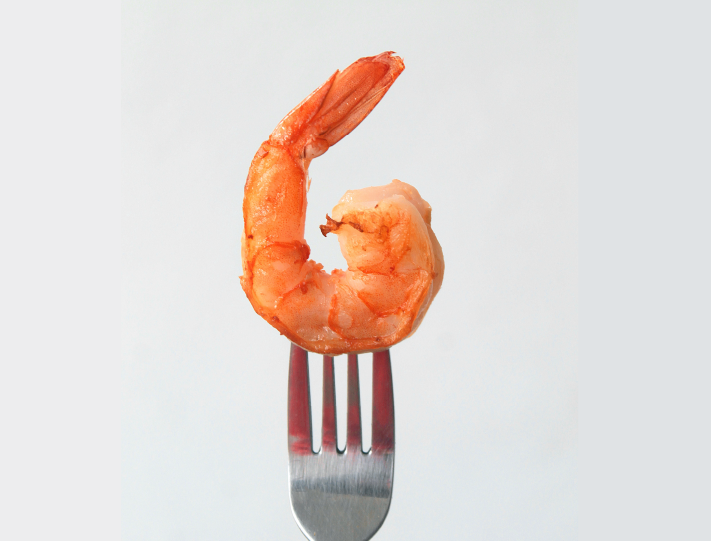
Most of the news accounts about Red Lobster closing dozens of outlets and then declaring bankruptcy a few days later led with the seafood chain's all-you-can-eat shrimp deal, which had many customers gorging on crustaceans for hours, resulting in the chain losing money on many of those meals as well as causing a big dip in customer-turnover rates. Shrimp-binging became popular enough for it to become a TikTok meme.
The strategy was surely misguided, even boneheaded. Olive Garden's free-breadsticks promotion, which that chain has been running for decades, works because breadsticks are cheap and aren't the restaurant's core product. Red Lobster letting people eat as much shrimp as they want for $20 is as if Olive Garden were to give everyone who ordered its chicken Alfredo entree coupons for three more free ones.
But was the "endless shrimp" promotion really the main reason for the chain's troubles? That's less than clear. Lower down in many of the news stories is this little tidbit, as reported in the sixth paragraph of CNN's story about the restaurant closures:
"[In 2004] Darden sold Red Lobster to Golden Gate Capital, a private equity firm, for $2.1 billion. To help fund the deal, Red Lobster spun off its real estate assets in a transaction known as a sale leaseback agreement. Red Lobster had long owned its own real estate but would now be paying rent to lease its restaurants."
Private equity takeovers often include the buyers saddling the companies they're acquiring with the debt used to finance the deal. Despite this being as problematic as it sounds, it's not only perfectly legal, it's perfectly common. And it often results in massive failure (the Toys R Us debacle being perhaps the most infamous example). One way to pay down the debt is to sell real estate and then pay rent on the sold properties. Such leasebacks are also common, especially in the restaurant business. But if the leases are expensive, as they reportedly were for Red Lobster, it just amounts to shifting costs from one column to another.
The idea behind leveraged buyouts is to take on debt for the purchase -- often gargantuan debt -- and cut costs in order to pay it off. That works when what gets cut is fat, but what often gets cut is meat.
The leases Red Lobster was paying were too much to bear, and Golden Gate slashed costs beyond what it had planned, resulting in poorer service and fewer customers.
Private equity buyers often show up when a company is in trouble, as Red Lobster already was in 2004. It's not surprising that many of the deals end in failure after massive debts are added to a company's woes. The buyers themselves often take on little or no debt, and then receive proceeds from asset selloffs after a company collapses. This is where the term "vulture capitalist" comes from.
Thai Union Group, the Thailand-based seafood conglomerate that had for years been a major supplier of shrimp to Red Lobster, took a major share in the chain in 2016 and by 2020 owned a controlling stake. Thai Union had no experience running restaurants, and over the next four years, Red Lobster's slide continued. As all this was happening, the casual-restaurant business was increasingly beset by competition from fast-casual chains like Chipotle and "quick-service" (basically, fast-food-plus) outfits like Chik-fil-A.
As if to prove that corporatespeak is popular on both sides of the Pacific Rim, Thai Union Group CEO Theraphong Chansiri issued a statement earlier this month blaming the chain's troubles on "[the] Covid-19 pandemic, sustained industry headwinds, higher interest rates, and rising material and labor costs," all of which resulted in "prolonged negative financial contributions to Thai Union and its shareholders." He did not utter the word "shrimp."
After "detailed analysis," Chansiri continued, "we have determined that Red Lobster’s ongoing financial requirements no longer align with our capital allocation priorities and therefore are pursuing an exit of our minority investment.”
"Minority investment" is an interesting way to express "controlling stake." In any case, a lot of those "ongoing financial requirements" were put in place right after Golden Gate Capital took ownership twenty years ago, way before Red Lobster's "endless shrimp" promotion was conceived.